
Insight. Strategy. Transformation.

Challenge: The Ministry of Commerce and Industry (MOCI) faced a daunting task: to collect and analyze the pricing data of approximately 14,000 products across six countries—Qatar, Saudi Arabia, the UAE, Bahrain, Kuwait, and Oman—within a tight deadline of 4 to 5 weeks.
Process: To meet this ambitious goal, Hunter International mobilized specialized teams in each target country. A field supervisor was appointed for each nation to ensure the integrity and efficiency of data collection. The methodology included both telephonic and in-person interviews to verify wholesale and retail prices, with a keen focus on gathering robust supporting evidence.
Conclusion: The project was a success, with over 14,000 product prices collected within the stipulated timeframe. Notably, half of the product prices were corroborated with photographic evidence of price tags, and receipts were obtained to validate the wholesale prices. The project was completed on schedule and within budget, demonstrating the effectiveness of the strategic approach and the dedication of the teams involved.
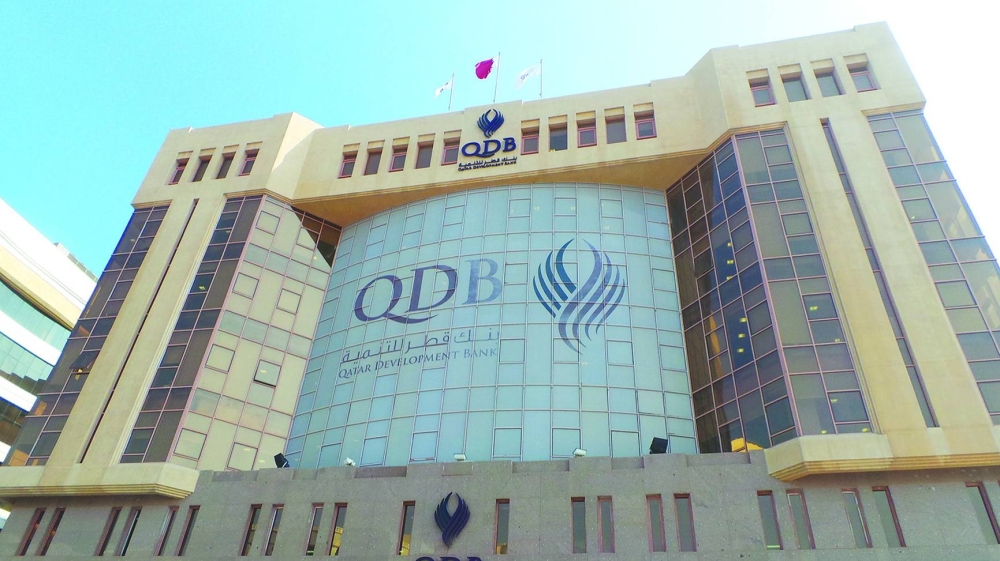
Challenge: The project culminated with 500 completed interviews, with a significant 70% representation from the high social class demographic. Each interviewee was a verified resident of Qatar, ensuring authenticity in responses. All interviews were audio-recorded to maintain data integrity. The final report was delivered on time, upholding the highest standards of quality.
Process: With a condensed timeline of two weeks, two dedicated teams were assembled to tackle the project tasks:
 Utilizing an existing database for recruitment purposes.
Coordinating and scheduling interviews with potential respondents.
Administering concise 10-15 minute interviews either in person or via phone.
Ensuring rigorous quality control and prompt data entry.
Daily database updates to facilitate ongoing contact with relevant parties.
Diligently working to reach the correct contacts to gather essential data.
Utilizing an existing database for recruitment purposes.
Coordinating and scheduling interviews with potential respondents.
Administering concise 10-15 minute interviews either in person or via phone.
Ensuring rigorous quality control and prompt data entry.
Daily database updates to facilitate ongoing contact with relevant parties.
Diligently working to reach the correct contacts to gather essential data.
Conclusion: The strategy resulted in:
35 comprehensive interviews conducted using Computer-Assisted Personal Interviewing (CAPI) and Computer-Assisted Telephone Interviewing (CATI) methods.
A guarantee that each respondent was the business owner, ensuring the relevance and quality of the data collected.
Audio recordings of 20% of the interviews to support data verification.
Successful completion of the project within the aggressive deadline.
Effective use of the proprietary database to achieve project objectives.
Maintenance of high-quality standards through stringent quality control measures.
project's successful execution demonstrated the ability to rapidly gather critical data from key business stakeholders, thereby providing valuable insights into the export feasibility for Qatari SMEs in the target international markets.